Popular Posts

Thursday, 13 April 2017

Their Finest


This review may contain spoilers!

A light tone and good sense of humour but this was a film that was afraid to take risks and played both it's narrative and it's characters far too safe. I would give Their Finest a 4.5/10.

This is a film with a very fine use of witty comedy, over the course of the feature the way a film is constructed is often ironically used to create some good running humour. The way character development is done within the film is very clear and heartening to watch; Hilliard's eventual humility is a victory, Buckley's respect for Cole is a good journey and Cole becoming a shrewd and vocal part of the British film industry really nails the film's theme. Their Finest has a great message; not just about female equality and empowerment but more importantly about the importance of female representation and heroes within film.

Sam Claflin, who played Tom Buckley, is a very stiff self-righteous role when first we meet him; over this film the chemistry he builds up with Arterton and the joy he starts exhibiting in scenes really makes him more of a charming and likeable role. Bill Nighy, who played Ambrose Hilliard, absolutely nails this vain arrogant actor role; Nighy is incredibly funny and presents a sharp wit in relation to his character's ego. Rachael Stirling, who played Phyl Moore, is a prim and straightforward character; Stirling is tough and confronts Arterton throughout, challenging her to be tough in a profession that wants to reject her. Jake Lacy, who played Carl Lundbeck, really has the macho swagger of the 'heroic' role; yet the way Lacy comedically reveals his character to be an awful actor is a fine part of this film. Jeremy Irons, who played the Secretary Of War, was an incredible cameo in this film; Irons performs a brief incredible monologue and then proceeds to rather ironically undercut that performance by presenting a stern military figure. Eddie Marsan, who played Sammy Smith, has great chemistry with Nighy in this feature; the way Marsan really caters to and bounces off Nighy's arrogant role is a lot of fun. Hubert Burton, who played Wyndham Best, creates a rather camp yet fun actor character; I especially enjoyed how Burton played off Lacy's rather clueless soldier turned actor.

However the best performance came from Helen McCrory, who played Sophie Smith. When first McCrory appears in this film she is a sister filled with grief over the loss of her brother, she adds a depth and dimension to the Nighy storyline that hadn't yet been introduced. As the film went along I was delighted to find that her role was taking on a position of power in relation to Nighy, suddenly she was in charge of managing his acting career and she developed a lot more authority than Marsan had. McCrory had a great back and forth between Nighy and herself, I liked how she very subtly gained control of a scene and set out ultimatums. Near the film's end, and once Nighy had gained a little humility, it was great to see these two approach one another on a more equal footing and be a lot closer from all the work McCrory's character had done.

This film criticises how film is made/written a lot but too often it really makes the same mistakes that it is criticising. One big one is this idea of how to write romance and the use of 'love triangles', it takes two thirds of the movie before Cole's marriage is revealed to not be a real one leaving things perfectly open for Buckley to fall in love with her. Because this is introduced quite late in the game you aren't wildly invested in this sudden drive for Cole to decide between two men, it feels very disingenuous from the female empowerment message of the film. When Buckley dies later in the film, after we've spent twenty minutes watching the pair struggle with their romantic feelings, you feel like you've wasted a lot of time watching something for no payoff; so rather than feeling sad about Buckley's death you just kind of feel annoyed. Constantly this film is too scared to tackle it's more serious scenes, cutting from them as quickly as possible so that it can return to the light, comedic tone it clearly much preferred. The cinematography used throughout was poorly framed, often cluttering the foreground and background with unnecessary content which took the focus off the more important aspects of the scenes. The editing really solidified the pacing issues of the film, too often this film felt as if it lingered on cuts or was afraid to leave content out. The score for the film was very light and chirpy which worked sometimes but harmed the moments where the film tried to take itself seriously.

Gemma Arterton, who played Catrin Cole, wasn't a very good lead for this feature; Arterton is too prepared to play her character's moments of strength down so that you never really feel the significance of what her role is doing. Jack Huston, who played Ellis Cole, is quite an unnecessary figure in Their Finest; Huston has no chemistry with Arterton and you know the purpose that his character will ultimately serve from the start. Paul Ritter, who played Raymond Parfitt, is a role with a lot of potential but not enough screentime to ever achieve it; it's frustrating that Ritter has so few lines that you never know if he's there to support Arterton or be one of the figures against her. Richard E. Grant and Henry Goodman, who played Roger Swain and Gabriel Baker respectively, felt like stock authority figures in the film; the way they barked out exposition meant you lost interest in them pretty quickly.

Monday, 10 April 2017

The Lego Batman Movie


This review may contain spoilers!

I was surprised when I didn't like The Lego Movie all that much but I'm even more shocked to thoroughly dislike this film. I would give The Lego Batman Movie a 4/10.

This film thrives on it's comedic aspect, it's a film that knows exactly the right jokes to make and how to draw on classic Batman and DC Comics content in order to spin a good punchline. This wouldn't be possible if it didn't feel like the writers really got the character of Batman, not only his history but the fundamental aspects of his character and the relationships (or lack thereof) that he forms with other characters. The soundtrack for the film is especially brilliant, the feature really thrives off music being used for comedic purposes and songs like 'Forever' by DNCE are very well used.

Michael Cera, who voiced Robin, has the whimsical light-hearted tone that was needed for this role; his completely camp delivery gives this character that classic feeling. Ralph Fiennes, who voiced Alfred Pennyworth, is a very wise father figure role; the emotional exchanges between him and Arnett are very well done. Zach Galifianakis, who voiced Joker, presented quite a broken-hearted and scorned version of this role; Galifianakis does a great job of capturing the mania of this role but also exploring his deep connection to fighting Batman. Doug Benson, who voiced Bane, really plays up the more comedic qualities of this role that we've seen in past features; I really liked how Benson seemed to take several perfectly executed digs at Tom Hardy's portrayal of the role. Channing Tatum, who voiced Superman, has the macho bravado that a lot of fans would associate with this role; in Tatum's hands Superman feels like this popular icon compared to Arnett's brooding loner. Hector Elizondo, who voiced Jim Gordon, had the stern authority figure of Gordon down; yet Elizondo really played up the dependence on Batman which resulted in a fun parody of the Gordon/Batman dynamic.

However the best performance came from Will Arnett, who voiced Batman. Arnett must have so much fun voicing this role, it certainly sounds like he does. Every scene takes the misery and rage associated with the character and then just plays it up tenfold, this makes some of the more emotional moments in the film all the more fun to watch. Arnett really provides a Batman who is quite arrogant and vain, yet it's a fun way; it's the knowledge that there is no superhero quite like Batman.

This film throws around a lot of pop culture references and at first this is quite fun but as you go along the feature becomes bogged down witht hem, it's all about creating punchlines and less about the story. I also thought the film used a lot of niche references or plot devices that weren't all that accessible to many movie-goers, this means the film feels like one big in-joke. I also couldn't really get on board with the emphasis put upon relationships and forging some big meaningful emotional journey for Batman, these moments all felt very disingenuous and over the top. Frankly it's a film that you can laugh at but that lacks heart and the ability to tell a very coherent story. The animation for the film is as ugly as I've come to expect from Lego films; it's not quite proper stop motion and not quite proper 3D animation but rather some weird thing caught in-between.

Rosario Dawson, who voiced Barbara Gordon, has quite an indistinctive voice for the size of her role in this film; a character this important should be a lot more memorable than this. Jenny Slate, who voiced Harley Quinn, doesn't really display any qualities of this famous character; plus her playing an emotional aid to Joker over relationship troubles is probably the dumbest use of this character they could have gone with. Eddie Izzard, who voiced Voldemort, is one of those voice actors who did not fit the character they were voicing; it's even more cringeworthy when Harry Potter spells are being announced and the action associated with them isn't actually happening. Ellie Kemper, who voiced Phyllis, has a really annoying voice that will pull you right out of this film; Kemper has quite a perky high energy pitch that is a bit too much for the tone of the Lego Batman film. Mariah Carey, who voiced Mayor McCaskill, has one of the worst pieces of voicework in the film; Carey does not sound like someone of authority and thus doesn't fit the mayor role.

Sunday, 9 April 2017

Dance Academy


This review may contain spoilers!

Maybe fans of the original TV show will like this but for anyone who hasn't seen it expect another trashy teen dance film. I would give Dance Academy a 4/10.

This film does a great job of showing how a serious injury or moment of trauma can affect a person for a long time after it happens to them; the main protagonist, Tara, has a few scenes where you see her reliving the accident she went through and the impact it's having on her in the present. I liked that the film had it's own sense of closure as well, the characters all find a place where they've discovered a sense of purpose by the end of the feature which is nice to see. Dance Academy also doesn't shy away from how vicious the dance profession can be, friends and teachers have a very high standard and the tone can turn cutthroat at a moments notice. My favourite aspect of this entire feature was the choreography designed by Tara which related to the Persephone myth; this story was a great metaphor for her development as a character and I think her passing the role of Persephone onto Abigail by the end of the film was an exceptional moment. The dance choreography in this film looks pretty good and provides a glimpse into how ballet can appear; the Persphone dance is performed by a number of characters over the course of the film but I thought it was performed best when Abigail and Ollie were presenting it. The score for the film was very peppy and kept the energy of this film up; the soundtrack was pretty simple but worked really in tandem with the film.

Alicia Banit, who played Kat Karamakov, did the popular girl who had let fame get to her head quite well; I liked that Banit presented a character who was still grounded in regards to her friends but who let things in the celebrity profession get out of control. Xenia Goodwin, who played Tara Webster, was very good at portraying quite a realistic leading protagonist; Goodwin brings forth a very driven role who allows herself to open up to new ideas as she reconnects with the rest of the cast. Miranda Otto, who played Madeline Moncur, is actually quite an interesting antagonist for the film; Otto brings forth a woman who is very naturally manipulative and deceptive with the intent of making her dance company the best in the profession.

However the best performance came from Dena Kaplan, who played Abigail Armstrong. I enjoyed this character because she is such a tough role while onscreen, I feel she reminds us that dance is not just a hobby but rather it is a lot of hard work and commitment. I enjoyed seeing Kaplan get a little sharp with her fellow cast member, she was very honest and not afraid to be curt when having a personal conversation. In moments where she helped her friends she was still this stern force, in the scenes where she helped train Goodwin she was a very harsh instructor who actually provided a lot of assistance despite her temperament. The manner with which she reacted to being told she would never be a leading star by Otto is well done by Kaplan, she brings out a lot of pent up rage and frustration. I really enjoyed the chemistry between Kaplan and Goodwin as well, the passing of Persephone from one dancer to the other is perhaps one of the best character exchanges in the film.

The main protagonist, Tara, has an interesting journey in terms of character development but the film fails itself by making her so hard to like. Over the course of the feature Tara react in ways that are exceptionally selfish and narrow-minded, there are several scenes where she dismisses her friends or romantic partners and their problems in favour of her own. The film is also really predictable and tends to stick to all the same tropes of your usual dance film, the fact that nothing in the feature really surprised me took away from the impact of a lot of the scenes. I could not stand the fact that this film placed more importance upon the love triangles and romance subplots than it actually did on the dancing, especially due to the lack of chemistry between actors when it came to these aspects of the narrative. Dance Academy starts by doing a quick summary of what had happened in the TV show that was important before letting the film carry on and while this was helpful exposition it also let the film down because the structure of the film almost entirely copied this description. The cinematography of the film never really knew how to capture dialogue scenes or moments where dancing wasn't taking place, shots felt very familiar and it didn't feel like there'd been much attempt to get creative. The editing started off with some great flow but got progressively slower as the film went along, this severely affected the pacing and dragged the film right out.

Thomas Lacey, who played Ben Tickle, really should not have been cast as the romantic interest for Goodwin or Banit because he had no chemistry with them at all; furthermore his bleeding heart speeches about his sickness preventing him from dancing were so poorly pitched. Keiynan Lonsdale, who played Ollie Lloyd, really feels like one of the characters in the film that was quite unnecessary; his constant brown-nosing and shameless actions made him a fairly pathetic role to watch. Tara Morice, who played Miss Raine, doesn't actually feel like much of a mentor or leader figure in relation to Goodwin and Lacey; she was never very assertive or supporting in a way that meant she seized or inspired within a scene. Jordan Rodrigues, who played Christian Reed, is the whiny romantic interest that gets on your nerves a bit throughout the feature; he really didn't suit being paired up alongside Goodwin.

Saturday, 8 April 2017

The Boss Baby


This review may contain spoilers!

If you're coming to this film for the plot or Alec Baldwin you'll be disappointed, but if you're coming for one hell of a good message then this is worth a watch. I would give The Boss Baby a 6.5/10.

This film wouldn't work if it wasn't revealed that the entire narrative was a story constructed by one of the protagonists of this film as an adult, his message about what it means to be a family and the bond that form between two siblings is very sweet and quite a touching sentiment. I also found myself really interested in the bond that was steadily developing between Tim and Boss Baby as the film went along; the more BB came to see what a family looked like the more heart this film gained. This really all came together when Tim sent Boss Baby a really touching 'memo' promising him his love if he'd come be his brother, sparking a bond that the film really thrived upon.

Steve Buscemi, who voiced Francis Francis, made what could have been a twisted throwaway antagonist kinda interesting; the way Buscemi presented his character's backstory made quite an obvious twist actually quite fun to listen to and watch play out. Miles Christopher Bakshi, who voiced Tim, did a pretty solid job as the charismatic and relatable protagonist; all his work in this film really led to that amazing line delivery in the big 'memo' scene that is by far the best part of the feature. ViviAnn Yee, Eric Bell Jr. and David Soren, who voiced Staci, the Triplets and Jimbo respectively, were some of the most entertaining supporting characters of the feature; the way each of these characters had a rather mature quality that contrasted their infantile nature was pretty funny.

However the best performance came from James McGrath, who voiced Wizzie. Admittedly it's a weird pick to say this rather minor supporting role was by far the best but in some ways I picked this character because McGrath got me laughing; it was nice to genuinely respond to one of these characters. McGrath parodied the Gandalf persona very well and then built on this to create a role that completely crazy and rather unpredictable. He also had a nice back and forth going on with Bakshi, this chemistry was weirdly rather therapeutic for the Tim character. At the end of the day I picked McGrath's performance because I don't think even Ian McKellan could have done as good a job voicing a barmy wizard.

This film kicks off by establishing that the kid spends time in an imaginary world a lot which is quite different from the world where the main plot is going on presumably, however because the main story is so out there you are constantly questioning what is actually fact in the film making it hard to connect with the story. It doesn't help that the idea of the classic family lifestyle and this big friendly corporate entity founded on cuteness are blended together in such a sloppy way, the content is actually pretty dull and you struggle to find a moment to laugh at. The narration used throughout the film comes at infrequent points making it a rather redundant quality sadly. I also felt like The Boss Baby is a good example of a film using too many references from other films in a negative way, the references rarely added anything and it felt like an easy way the writers had chanced upon to take up screen time. The animation looked pretty bad; the backgrounds were indistinctive, the characters all had a rather similar basic design and the imagination sequences were a big step down in terms of style. The soundtrack for the film felt so dated and poorly picked, I got bored listening to the music of the film which really let several scenes down.

Alec Baldwin, who voiced Boss Baby, was a pretty bland performance considering he was the title character of the film; if you want to see what Baldwin's most entertaining lines were you may as well just watch the Boss Baby trailers rather than waste your time watching the film. Jimmy Kimmel and Lisa Kudrow, who voiced Dad and Mom respectively, were very basic stock performances of parental figures; frankly the voice work done by these two was so basic it could have been performed by anyone. Tobey Maguire, who voiced Adult Tim/Narrator, really just had a jarring presence in the film; his narration wasn't emotive or moving enough to warrant it's place in the film so it just became a waste of time.

Friday, 7 April 2017

Smurfs: The Lost Village


This review may contain spoilers!

This is probably the closest we'll ever get to a perfect modern take on the Smurfs. I would give Smurfs: The Lost Village a 7/10.

This movie does a lot of hard work around the character of Smurfette which pays off in quite a big way. Smurfette was originally created to infiltrate the Smurfs and deliver them up to the evil sorcerer Gargamel, however Papa Smurf uses his magic to help her become good and now she lives happily alongside all the Smurfs. This film really focuses on the fact that Smurfette lives in a place where each Smurf can define themselves through one word, whether that be Hefty or Brainy or Clumsy etc. Through the film she is trying to discover what exactly at 'ette' is and what her place is within the world, with the hope of proving she isn't just an evil creation and nothing more. Over the course of the movie this character takes charge of her destiny and sets out to define herself, proving that Smurfette is not like the Smurfs; as the film puts it "Smurfette can be whatever she wants to be". Apart from this brilliant work around the main character the film introduces a new village of all-female Smurfs and both Smurf villages are quick to judge one another on their differences alone, however once Gargamel attacks and Smurfette sacrifices herself for the villages we get a great moment where both villages are united despite their differences. The animation for the film is pretty good with a lot of the quirky or classic character design having a joke or two made at it's own expense, the background animation is some of the best work and the scenery that has been created throughout the feature is some of the most stunning animation so far this year. The soundtrack for the film was also pretty good, using fairly recent tracks added a lot of energy to the film and kept the scenes feeling fresh.

Rainn Wilson, who voiced Gargamel, really brings a classic take on the villain to life; his over the top monologuing and threats made him a baddie to remember. Mandy Patinkin, who voiced Papa Smurf, had the calm yet firm temperament of the leader of the Smurfs; his compassion and love for all the Smurfs in his care really came through in Patinkin's performance. Ellie Kemper, who voiced SmurfBlossom, was such a rapid fire performer when it came to her line delivery; her character hit the screen filled with energy and a fun comedic wit. Julia Roberts, who voiced SmurfWillow, was a very serene and kindly leader; Roberts smug tone and fun interactions with Patinkin were some of the better parts of the film. Jake Johnson, who voiced Grouchy Smurf, really went at this character in a fun committed way; his completely serious and angry tone contrasted greatly with Lovato's performance in their scene together. Gordon Ramsay, who voiced Baker Smurf, was such a great cameo; he really just parodied his usual criticisms about people's cooking/baking but it was one of the funnier moments of the film.

However the best performance came from Demi Lovato, who voiced Smurfette. Lovato provides a character who is so compassionate and seems so kind that she's hard not to like; the fact that she manages to set up that connection with the audience very early into the film is only a bonus. In this feature Smurfette is a character who feels lost amongst a crowd of characters who know without a doubt who they are, Lovato takes Smurfette upon a great exploration of character development over the course of the feature. There's a scene near the end of the film where the Smurfs of the lost village are kidnapped because of her, the resulting moment of guilt and grief from Lovato is the best scene of the entire film. Smurfette is a character seeking out who she is and with the amount of goodness and kindness she displays constantly, Lovato's role is certainly a huge role model for young girls in this movie.

This film has long periods of time where the villain isn't present or the danger that the Smurfs are in doesn't feel like all that much, this means that the film lacks a lot of tension and plays things a bit too safe. Building on from this is the type of comedy used over the course of the film which is cheesy, riddled with bad puns and downright never seeks to do anything all that clever, this Smurfs movie is happy to create a fun animated film but it's not actively trying to be one of the most memorable animated film scripts of the year. Furthermore the way the characters break the fourth wall from time to time is kinda jarring, it draws you out of the moment and is a technique that really doesn't serve much purpose.

Joe Manganiello, who voiced Hefty Smurf, is just super cheesy and plays up his performance too much; his infatuation with Smurfette gets a bit hard to swallow at times and is shoved in your face a lot throughout the film. Jack McBrayer, who voiced Clumsy Smurf, has very little screen presence out of all the main cast; McBrayer plays a goofball role so he often winds up with the dumbest lines of the film. Danny Pudi, who voiced Brainy Smurf, has the most annoying voice out of all the main characters; his whiny tone makes him the hardest to like and connect with. Michelle Rodriguez, who voiced SmurfStorm, doesn't have a voice well suited to voice acting; her stern tough tone doesn't actually provide a lot of range. Ariel Winter, who voiced SmurfLily, is one of the main cast members of the lost village but is probably the most forgettable; Winter is sadly eclipsed in most her scenes by Kemper and Roberts. Kelly Asbury, who voiced Nosy Smurf, is one of those roles who just played to his role's stereotype rather than trying to flesh out a character; this resulted in a rather bland and humourless recurring role.

Tuesday, 4 April 2017

CHiPs


This review may contain spoilers!

Your classic buddy cop action-comedy that doesn't strive to do anything new at all. I would give CHiPs a 3/10.

This film does a good job at showcasing the partnership between Ponch and Baker after a rocky start, you really like the camaraderie the pair have throughout the feature and some of the more impactful scenes are pulled off due to this, not least of which the scene where Baker is rushed to intensive care. The film commits pretty well to it's dark and sarcastic comedy, not all of it lands but some of the best moments of wit come from this range of comedy. The chase scenes really steal the show, not necessarily because they do anything unique but just because they're very action driven moments. The soundtrack of the film wasn't always used well but when it was the comedy certainly benefited from it, 'Rosanna' by Toto and 'Paranoid' by Black Sabbath are especially due some honourable mentions.

Dax Shepard, who played Jon Baker, is a pretty aloof yet immediately likeable protagonist; His drive to succeed and blind attempts to win his wife back make you root for him from the start even if he has a lot to learn throughout. Vincent D'Onofrio, who played Vic Brown, has always done great antagonists and delivers nothing less than that in this film; D'Onofrio also adds some heart and motivation behind his character's rage when we see him as a struggling single father attempting to get his son free from drug addiction. Maya Rudolph, who played Sgt. Hernandez, brought forth one of the funnier scenes in the movie; her over the top passion for Shepard's love life issues was quite a bit of fun to watch. Rosa Salazar, who played Ava, steals the show as the female lead of this feature and an actress I'm really expecting to see on the rise in the next few years; Salazar brings a tough tomboyish role who forms a pretty genuine and sweet connection with Shepard over the course of the film. Isiah Whitlock Jr., who played Peterson, is the tough FBI head and leader role this film needs to keep it on track; Whitlock Jr.'s sharp and commanding tone is perfect contrasted against Pena's evasive and cocky character.

However the best performance came from Michael Pena, who played Frank 'Ponch' Poncherello. Pena has proven himself to be one hell of an actor over recent years so it's no surprise to see him stand out in this comedy film. It would be easy to play the role of Ponch as quite a stereotypical figure but Pena refuses to do that, rather he takes the role and brings out a very natural development of a role. At first Pena is very cocky and filled with bravado, he believes himself not only above the law but superior to the people around him. However after some initial frustration and conflict we get the chemistry between him and Shepard that we've been holding out for. The two naturally bounce off one another and it's even clear that Pena comes to value someone he'd previously viewed as an idiot. Yeah Ponch might be a sex-crazed arrogant FBI agent at first but by the end of the film we have more of a laidback and loyal highway patrol officer.

This film falls flat by developing a plot that we've seen in literally every action-comedy released; The Other Guys, Jump Street and Ride Along all pulled the same basic moves that this film did, only better. CHiPs isn't very interested in making the bad guy's too interesting or even raising the stakes all that high, you fail to become invested in Jon Baker's marriage issues and Ponch's sex addiction has to be one of the most cringeworthy subplots used in a comedy this year. Where the film really fails itself is that there's no natural build to Baker and Ponch becoming friends, it very suddenly happens after the two being at odds for quite a while. The cinematography throughout the film has the eye of someone with ideas about how to catch action scenes but no idea how to film the rest of the scenes. The editing also dragged out the pace, often bringing in cuts either too late or too early.

Jessica McNamee and Ryan Hansen, who played Lindsey Taylor and Brian Grieves respectively, weren't very memorable cast members in the film; not only were they playing throwaway henchmen but they didn't even have any moments where they were particularly comedic. Adam Brody, who played Clay Allen, is in this film as a gag role; you watch Pena shoot Brody for a good laugh but other than that his role has no purpose. Kristen Bell, who played Karen, gives a performance that doesn't really feel like should put a great deal into it; Bell's character is very self-centred and vain which just doesn't come to her naturally. Justin Chatwin, who played Raymond Reed Kurtz Jr., had a rather weak screen presence; it would have been nice to see Chatwin and D'Onofrio in more scenes together so that you cared about their father and son relationship. Richard T. Jones, who played Parish, is about as stereotypical as you can get; Jones' brash and self-righteous cop who is blindly defending his dead partner's honour is a bit plain. Jane Kaczmarek, who played Jane Lindel, is utterly cringeworthy throughout the film; her Facetime call with Pena will probably make you want to projectile vomit. Jess Rowland, who played Rathbun, is quite a background performer throughout the film; he was consistently being eclipsed by Salazar or even McNamee.

Sunday, 2 April 2017

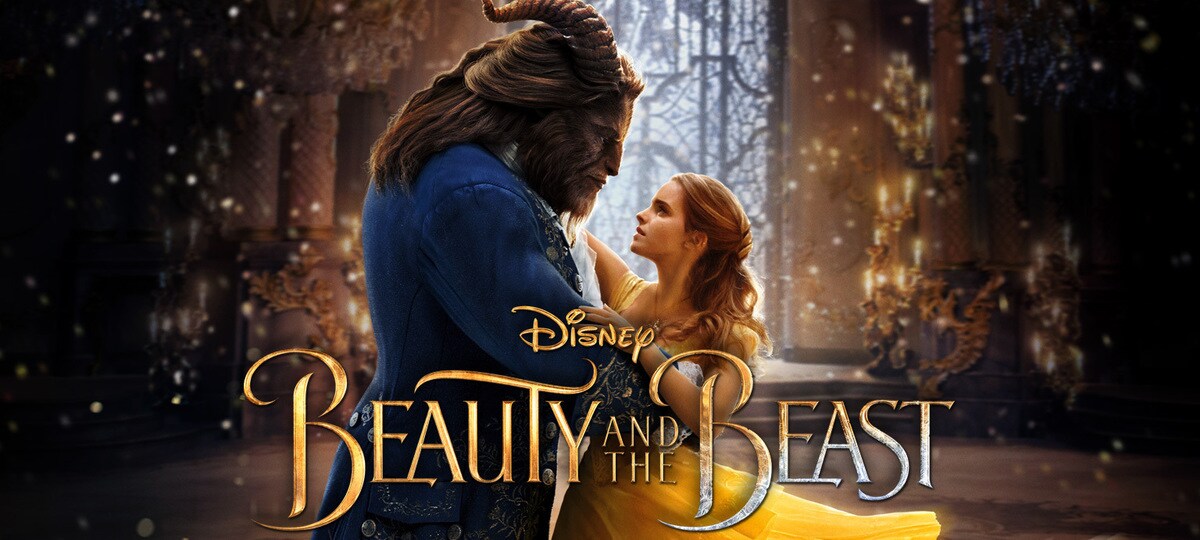
Beauty And The Beast


This review may contain spoilers!

This film paid more attention to flashy musical numbers than story and substance. I would give Beauty And The Beast a 6/10.

This film is really good at capturing some very magical moments throughout the feature, be that the ice lake/snowball fight scene, the villagers charging to kill Beast, the final confrontation between the castle servants and the village folk and even Beast singing his love for Belle as she returns to her father. In fact probably the best part of the feature was when the film focused upon Beast, he was clearly kind and soft-hearted but the death of his mother and resulting upbringing from his father meant that his path to redemption was a very personal journey. The film itself handles comedy very well for the most part, small witticisms land and often it's the very exaggerated characters like Gaston, LeFou and Cogsworth that steal the show. The special effects look great; the CGI household objects have a great style to them, though I would say that it's the wolves and the Beast himself who really stand out. The score for the film has a rich symphonic feel, and I would say some of the musical numbers are very good.

Dan Stevens, who played Beast, made for quite an interesting leading role; he really brought forth the Beast's wild and aggressive initial qualities but he develops a more gentler side as you come to see his affection and empathy later on. Josh Gad, who played LeFou, brings a lot of the much needed comedic relief throughout the feature; I like that he had some moral fiber and was consistently wrestling with his loyalty to Gaston versus doing the right thing. Ewan McGregor, who played Lumiere, really is the emboldened life-of-the-party candelabra the film demanded; I was very sold on his charm and the impact he had in the scenes he was in. Ian McKellen, who played Cogsworth, was gruff and had the short temperament of the famous enchanted clock; McKellen's tense yet endearing chemistry that he developed with McGregor worked very well. Nathan Mack, who played Chip, has the innocent portrayal of the youngest enchanted household staff down perfectly; it's very tough to envision anyone else but Mack to bring forth the voice and temperament of the character.

However the best performance came from Luke Evans, who played Gaston. This character has always been one of my favourite Disney antagonists and Evans brings the role to life in this film. He really captures the ignorance of the role very well but also the stubbornness, the way he seeks Belle's hand in marriage goes from persistence to pig-headed in no time. Furthermore we get all the macho bravado you'd expect from Gaston, whether that's shown from reminiscing about the war with LeFou or charging into battle against the Beast. A very loud-mouthed boisterous and even comedic role who is made villainous when he realises that if he cannot have what he wants then he will destroy Belle's life and all she holds precious. It is very true that in Luke Evans hands there is no one quite like Gaston.

So does this film really capture the heart behind the Beauty and the Beast story? Well as I've said earlier it gets some of the more notable parts of the film but completely drops the ball on others. It doesn't help that the film is very content with doing sudeen and abrupt changes in the direction of the plot. Some good examples of this is when Belle suddenly decides to up and leave to find her father after we've only registered he's been captured, the Beast shouting and raging at Belle but then suddenly risking his life for her, the entire romantic relationship between Belle and Beast happens quite suddenly and Gaston leaving Maurice to die comes quite quickly too. At other times the film invests in moments where there isn't really a great deal of emotional payoff, Belle is freed from her cell before you can even acknowledge how great a sacrifice she has made, the big dance between Belle and Beast isn't really built up to, Belle's curiosity about her mother is a subplot that grows rather dull and even the curse being removed at the end doesn't have much impact due to the Enchantress having an onscreen presence. The distance between moments that actually matter in the feature is so great that it is very easy to grow bored, in fact the slow pacing is a glaring issue of this musical film. The cinematography looks very staged throughout, often the camera is set up in a way that the environment feels more like a set than a place or the lighting within a scene looks painstakingly obvious. While I loved a lot of the musical features there were several that really didn't have much need to be there and took up valuable screen time, also Emma Thompson singing 'Tale As Old As Time' is possibly one of the most ghastly things I've had to endure on a film soundtrack so far this year.

Emma Watson, who played Belle, seemed as if she would be the perfect actress for this part considering some of her past film roles but the reality was quite disappointing; I really struggled with Watson's dry tone and her facial expressions over the course of the film seemed to be in constant conflict with the lines she was saying/singing. Kevin Kline, who played Maurice, should probably learn the difference between playing a dottery old man and a simple one; there were many instances throughout the feature where it felt like Kline just couldn't even be bothered to act consistently in regards to his character. Emma Thompson, who played Mrs Potts, needs to take a workshop on how to perform accents immediately; Thompson's harsh tone and poor voicework resulted in a butchery of one of the film's most iconic musical numbers. Audra McDonald, who played Madame Garderobe, was just far too over the top to be taken seriously; her voice was painful to listen to and her subplot about missing her husband the most forgettable of the feature. Gugu Mbatha-Raw, who played Plumette, is quite a stereotypical love interest for McGregor's character; the way Mbatha-Raw settled for a gushing swooning maiden left a lot to be desired.